For industry professionals involved in new product development, energy storage systems, or battery selection for OEM integration, a deep understanding of the nuanced advantages and limitations of 18650 technology is essential. Moving beyond the superficial discussions often found in consumer-focused content, this analysis provides an in-depth examination of the technical strengths, inherent drawbacks, application trade-offs, and current compliance requirements that drive decision-making.
I. Core Technical Foundation: Defining the Modern 18650 Lithium-Ion BatteryBefore evaluating their pros and cons, it is essential to understand the current technical foundation of
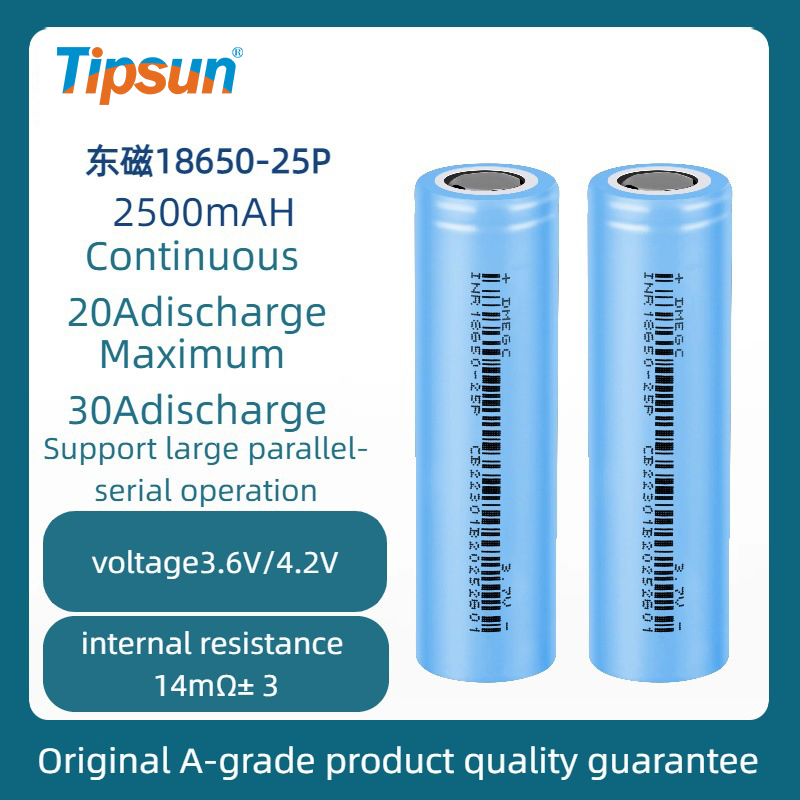
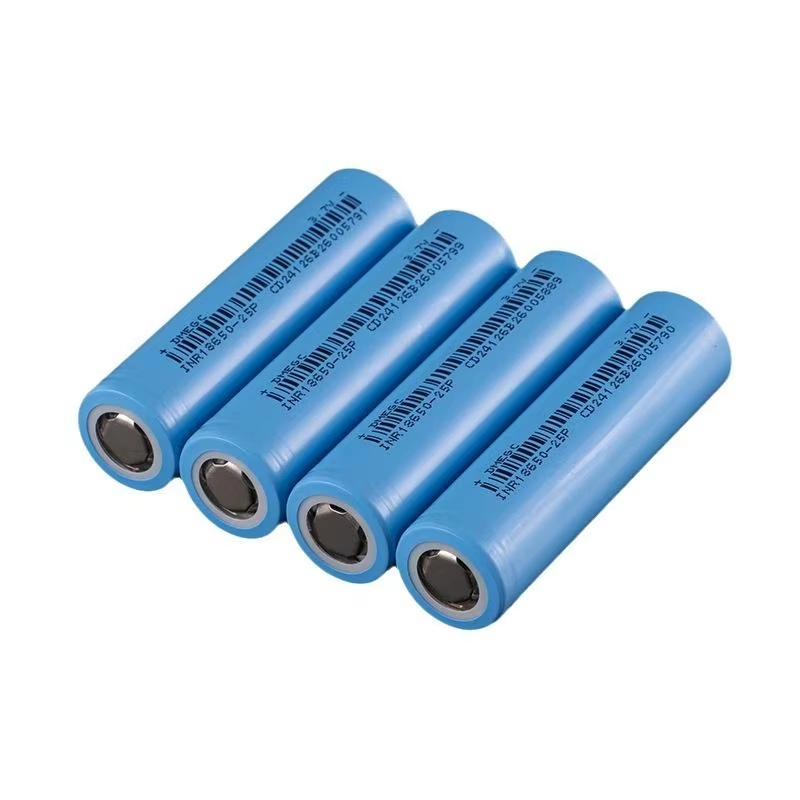
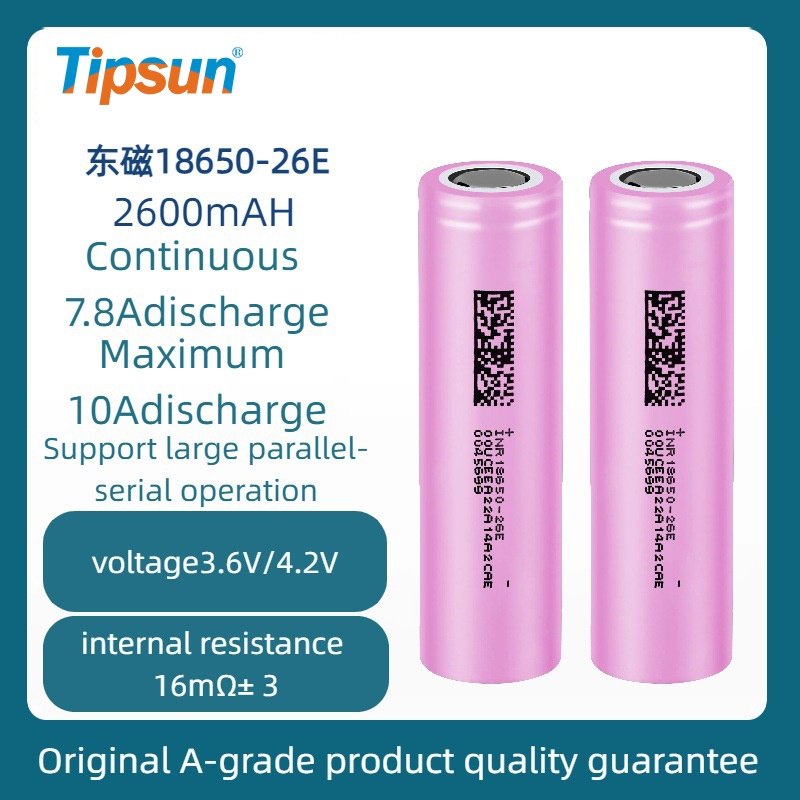
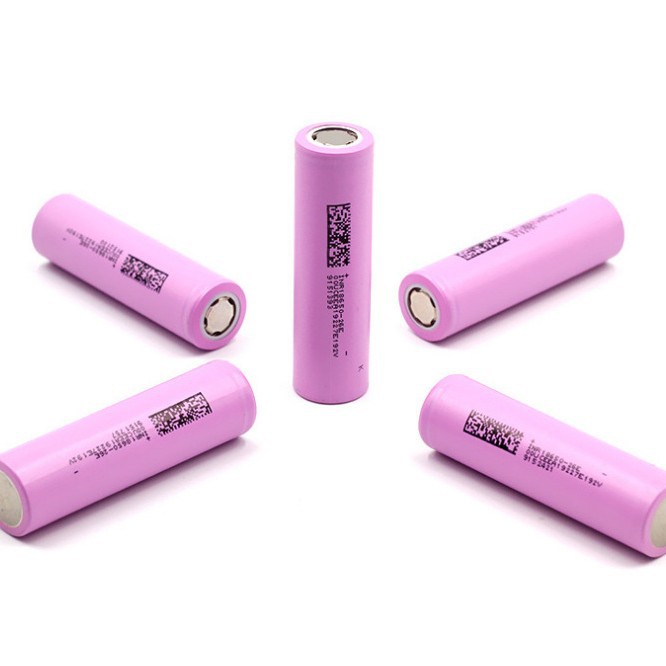
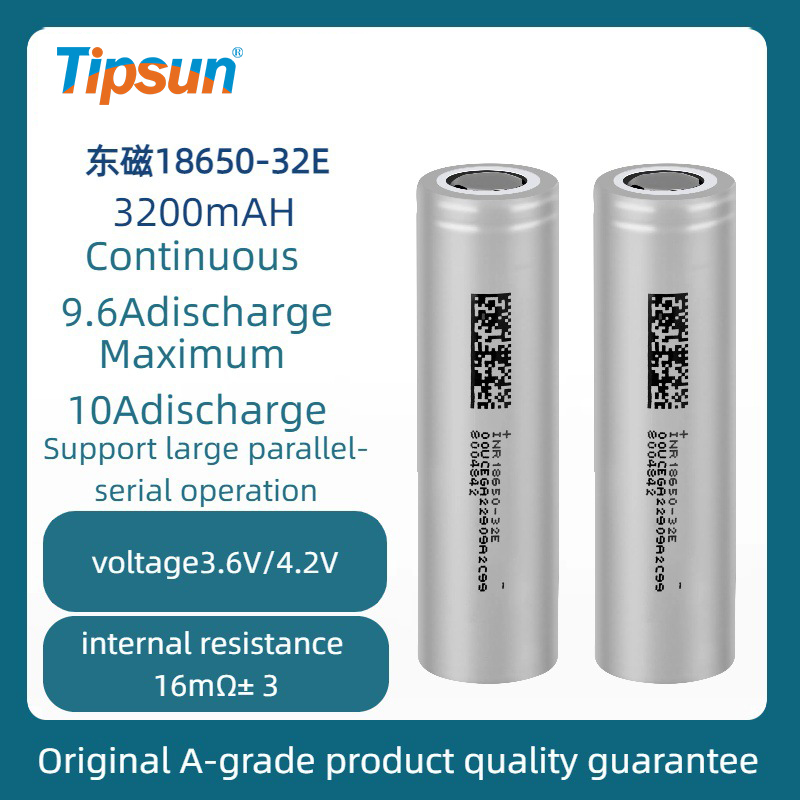
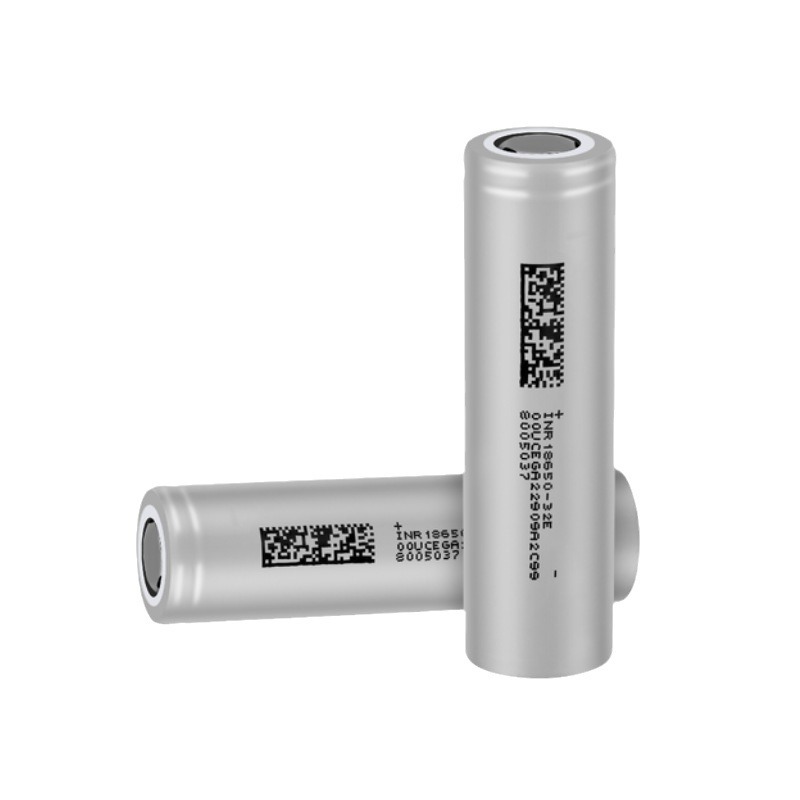
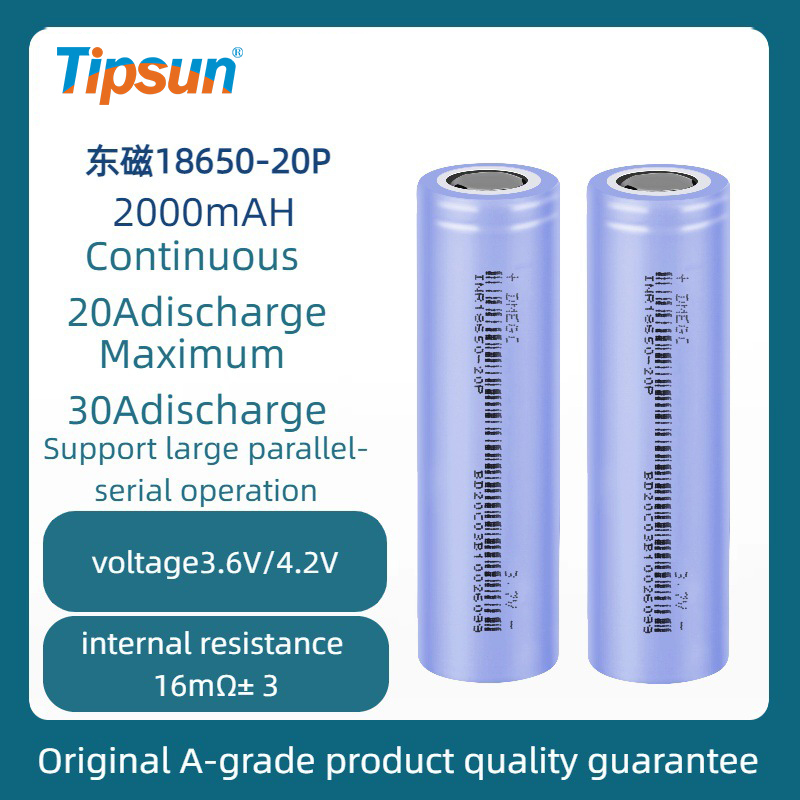
18650 batteries. Today's 18650 batteries vastly outperform earlier versions; leading manufacturers offer nominal capacities ranging from 2000mAh (for high-discharge-rate power cells) to 3600mAh (for energy-intensive applications). The nominal voltage remains stable between 3.6V and 3.7V, with a full-charge cutoff of 4.2V and a typical discharge cutoff of 2.5V—specifications consistent with the standard lithium-ion chemical platform that has undergone over 30 years of manufacturing refinement.
18650 batteries intended for professional use generally fall into two categories: those with protection circuits and those without. Protected
18650 batteries integrate a small printed circuit board (PCB) at the negative terminal, featuring built-in safety mechanisms to prevent overcharge, over-discharge, overcurrent, and short circuits. This type is the standard configuration for off-the-shelf consumer replacements and small-batch integrated applications where end-users handle the batteries directly. Unprotected
18650 batteries omit this built-in circuitry, resulting in a slightly smaller size and lower unit cost, while also supporting higher continuous discharge currents (exceeding 30A for high-power cells). Designed for integration into large battery packs featuring a centralized Battery Management System (BMS)—which handles safety functions—these cells are ideal for electric vehicles, grid energy storage, and high-power industrial equipment.
II. Application Suitability: Where 18650 Batteries Outperform Other Form FactorsThe enduring popularity of the
18650 battery stems from its unique combination of performance characteristics, making it highly suitable for a wide range of professional applications. To better appreciate its advantages, it is useful to compare its performance and practicality against competing formats, such as prismatic lithium-ion cells, pouch-style polymer cells, and newer cylindrical formats (like the 21700). III. Key Advantages of
18650 Lithium-Ion Batteries1. Mature, scalable supply chain with stable quality control
One of the most frequently underestimated advantages of 18650 technology is its mature global manufacturing ecosystem. Unlike newer cell formats that still face challenges regarding yield rates and supply stability, 18650 production lines have been optimized over decades; leading Asian manufacturers can produce millions of cells monthly with highly consistent dimensions, capacities, and impedance tolerances. For industry professionals developing medium- to high-volume products, this translates to shorter lead times, reduced certification testing requirements, and the ability to source from multiple suppliers to mitigate supply chain risks. Cell consistency is particularly critical when manufacturing large series-parallel battery packs, as cell mismatching can lead to accelerated degradation and a shortened pack lifespan. The long history of standardized manufacturing for the 18650 format results in superior cell-to-cell performance consistency compared to many newer or custom formats.
 2. Proven balance of energy density and power density
Modern
18650 cells achieve an industry-leading balance of gravimetric and volumetric energy density among mass-produced cylindrical cells. High-energy versions can reach 270 Wh/kg and 650 Wh/L, sufficient to meet the requirements of most portable and stationary applications. For high-drain applications such as power tools and electric vehicles, high-power 18650 cells can deliver continuous discharge rates of 10C to 15C while maintaining substantial capacity—a balance that is difficult to achieve with small, custom pouch cells. This versatility means that 18650 cells can be deployed in a wide range of scenarios—from low-power IoT sensor packs to high-performance e-bike powertrains—without requiring a complete redesign of the battery pack architecture.
3. Long service life and predictable performance degradationUnder standard operating conditions (ambient temperature of 25°C, 0.5C charge/discharge rate, and a 20–80% state-of-charge range), high-quality 18650 cells can deliver between 300 and 1,000 full-cycle equivalents before their capacity drops to 80% of the initial value—far outperforming older battery technologies like Ni-Cd and Ni-MH. For stationary energy storage applications where the battery operates within a moderate state-of-charge range, a service life of 5 to 10 years is typically achievable. Equally important is the predictability of the degradation curve: decades of field data allow manufacturers and system designers to accurately model capacity loss over the battery pack's lifespan, thereby reducing the risk of unexpected performance issues after deployment. Unlike newer lithium-ion chemistries with limited long-term degradation data, the long-term performance of 18650 cells is well-understood, making them a low-risk choice for industrial applications with specific service life requirements.
4. No memory effect and flexible charging modesLike all modern lithium-ion batteries, 18650 cells do not suffer from the memory effect that plagued older nickel-based batteries. There is no need to fully discharge the battery before recharging to maintain capacity, allowing for flexibility in various real-world scenarios—such as storing energy from intermittent renewable sources or accommodating fluctuations in daily device usage. This flexibility simplifies Battery Management System (BMS) programming and enhances convenience for users of portable devices.
5. Lower system costs for mid-sized configurationsAlthough the cost per kilowatt-hour of 18650 cells is slightly higher than that of larger formats like the 21700 in high-volume production, 18650 cells often result in lower total system costs for medium-volume applications and smaller battery packs. Their standardized size eliminates the need for custom tooling or cell development, thereby reducing upfront Non-Recurring Engineering (NRE) costs and accelerating time-to-market. For manufacturers of new products with limited production volumes, these upfront savings are sufficient to offset the slight difference in individual cell costs.
 IV. Common Industrial Applications Leveraging the Advantages of 18650 Cells
These advantages make 18650 batteries the preferred choice for a range of professional applications:
- Low-to-medium-power electric vehicles: E-bikes, scooters, mopeds, and small electric ATVs; their balanced power-to-energy density and modular pack design are well-suited to frame size constraints.
- Portable industrial and consumer power sources: High-performance flashlights, vaporizers, handheld testing equipment, portable power banks, and cordless power tools; their compact, standardized size and high discharge capability make them ideal.
- Stationary energy storage: Residential and small-scale commercial solar storage systems, backup power supplies, and off-grid energy systems; their long cycle life and predictable performance reduce long-term risk.
- Specialized automotive and aerospace sectors: Auxiliary power packs, starter batteries, and low-power embedded systems; their proven safety profile and compact design simplify integration.
The initial large-scale adoption of 18650 batteries by the Tesla Model S and Model X demonstrated the suitability of this format for mass-market applications; early mass-production models featured battery packs containing thousands of matched 18650 cells, delivering a range of over 400 miles.
V.Conclusion: Are 18650 batteries right for your application?
For industry professionals, the decision to use 18650 lithium-ion batteries ultimately depends on whether the advantages of this format align with your application's requirements. 18650 batteries are an excellent choice when:
- You need a mature solution with low non-recurring engineering (NRE) costs for medium-volume production and want to achieve a fast time-to-market.
- Your application requires a compact form factor that balances energy density with high discharge capability.
- Supply chain stability and lower upfront certification costs are more important than maximizing system-level energy density.
- Your target price point aligns with the cost structure of 18650 batteries.
They are less suitable when:
- Maximizing energy density within a fixed footprint is your top priority.
- You are producing large volumes of large battery packs, where larger cells can reduce the cost per pack.
- You can utilize a custom form factor to eliminate wasted space and optimize product packaging. - Environmental impact and recyclability are key selling points of your products.
Despite the constant emergence of new battery specifications, the 18650 lithium-ion battery will remain a mainstream choice for industrial and consumer energy storage applications for decades to come. Its mature manufacturing processes, proven performance, and versatility make it an ideal, low-risk, high-reward option for a wide range of professional applications. By understanding the inherent strengths and limitations of this technology—and ensuring compliance with global regulatory requirements—industry professionals can fully leverage 18650 technology to deliver safe, reliable, and cost-effective products to the market.